
If you have a damaged, weakened, cracked, or severely decayed tooth, a dental crown can help restore its strength, function, and appearance. At Genesee Family Dentistry, we provide high-quality dental crowns in Flint that are custom-made to fit comfortably and blend naturally with your smile. Whether you need to protect a damaged tooth, restore a tooth after root canal treatment, replace a large filling, or complete a dental implant, our dental team can help you find the right restorative solution for your needs.
This guide explains everything you need to know about dental crowns, including when they may be recommended, the different types available, the treatment process, benefits, aftercare, and how long crowns can last.
What Is a Dental Crown?
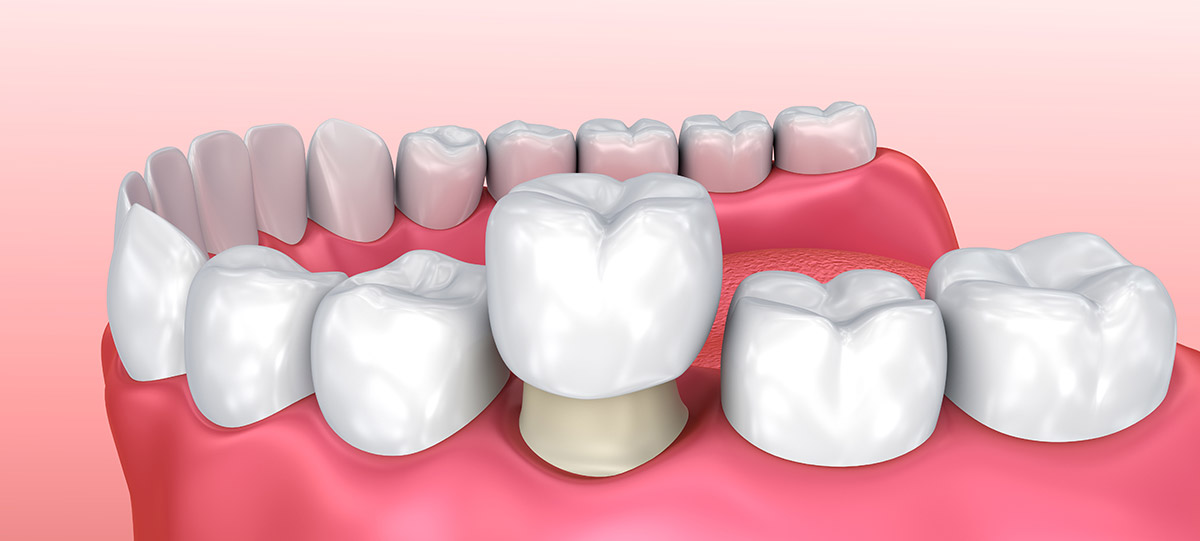
A dental crown is a custom-made restoration that covers the visible portion of a damaged or weakened tooth. It is designed to restore the tooth’s shape, size, strength, and appearance while protecting the remaining natural tooth structure.
Modern dental crowns are designed to closely resemble natural teeth. The material and shade can be selected to complement your surrounding teeth, helping the restoration blend naturally into your smile.
Dental crowns can be made from several materials, including:
- Porcelain
- Ceramic
- Zirconia
- Porcelain-fused-to-metal (PFM)
- Metal alloys
The most appropriate crown material depends on factors such as the location of the tooth, the amount of remaining tooth structure, your bite, cosmetic preferences, and overall oral health. During your consultation at Genesee Family Dentistry, your dentist can explain your options and recommend the most suitable restoration.
When Do You Need a Dental Crown?
A dental crown may be recommended when a tooth has sustained significant damage or has become too weak to be adequately restored with a traditional filling. Because a crown covers the tooth, it can provide additional protection while restoring normal chewing function and appearance.
Large Cavities
When tooth decay affects a large portion of a tooth, there may not be enough healthy structure remaining to support a filling. A dental crown can cover the remaining tooth and help restore its strength and function.
Cracked or Broken Teeth
Cracked or broken teeth can become more vulnerable to additional damage when biting and chewing. A crown can provide full coverage and help protect the remaining tooth structure.
After Root Canal Treatment
A tooth that has undergone root canal treatment may require additional protection, particularly when a significant amount of tooth structure has been lost. A dental crown can reinforce the restored tooth and help protect it from fractures during normal use.
Worn or Weakened Teeth
Teeth can become worn or weakened due to grinding, clenching, acid erosion, repeated dental procedures, or everyday wear. A crown may help rebuild the tooth’s shape and restore its function.
Cosmetic Concerns
Although crowns are primarily restorative, they can also improve the appearance of teeth that are severely discolored, misshapen, worn, or damaged. When a tooth has both cosmetic and structural concerns, a crown may offer functional and aesthetic benefits.
Restoring Dental Implants
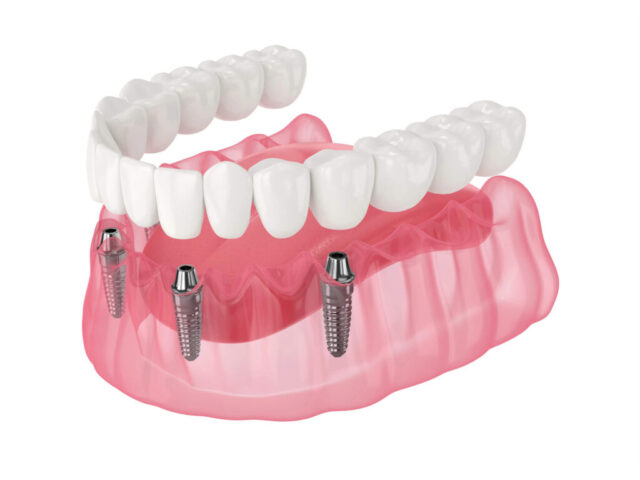
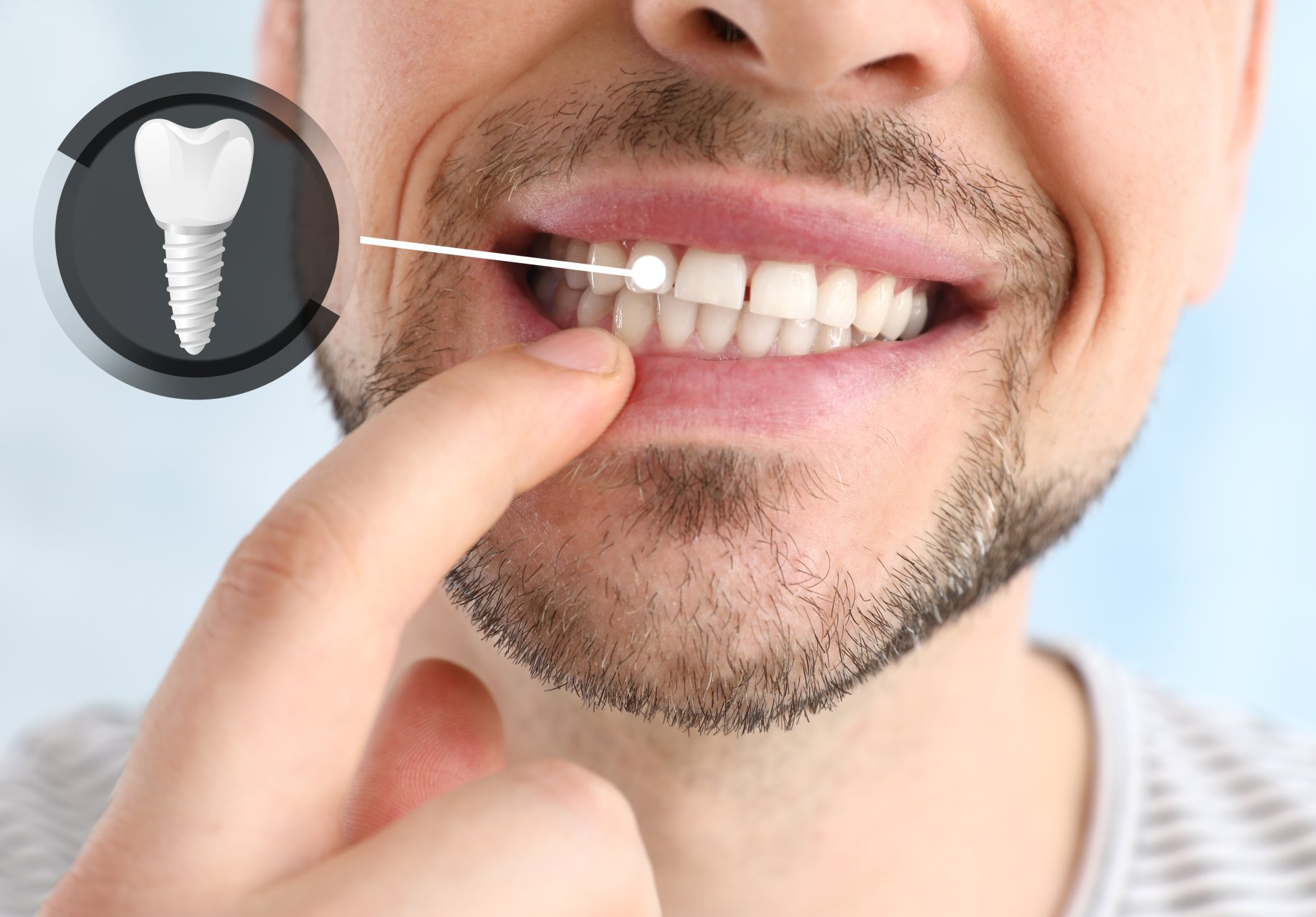
Dental implants replace missing tooth roots, but a restoration is needed to complete the replacement tooth. A custom dental crown can be attached to an implant to create a replacement tooth designed to look and function naturally.
Replacing Large or Failing Fillings
Large fillings can sometimes weaken the remaining tooth structure. If an old filling has fractured, failed, or left the tooth vulnerable to additional damage, your dentist may recommend replacing it with a crown.
Protecting Weak Teeth
Teeth weakened by fractures, repeated restorations, or other structural problems may benefit from full-coverage protection. A dental crown can help preserve the remaining tooth structure and reduce the risk of further damage.
Supporting a Dental Bridge
Dental crowns can also be used as part of a traditional dental bridge. Crowns placed on supporting teeth can anchor the bridge and help replace one or more missing teeth.
Benefits of Dental Crowns in flint
Dental crowns in Flint can provide both restorative and cosmetic benefits. They can help strengthen damaged teeth, restore chewing function, improve appearance, and protect the remaining natural tooth structure.

Restores Chewing Ability
A damaged or weakened tooth may make eating uncomfortable. A properly fitted crown can restore the tooth’s function and allow you to chew more comfortably.
Protects Weakened Teeth
A crown covers the visible portion of the tooth, providing protection against everyday biting forces, fractures, and additional wear.
Helps Prevent Further Damage
A severely damaged tooth may continue to deteriorate without appropriate treatment. A crown can provide additional support and help protect the remaining healthy tooth structure.
Improves Your Smile
Modern porcelain, ceramic, and zirconia crowns can be designed to closely match the appearance of your natural teeth. This makes them an excellent option for restoring visible teeth while maintaining a natural-looking smile.
Natural-Looking Results
Today’s dental crown materials can closely replicate the appearance of natural enamel. Your dentist can select a shade and shape that complements your surrounding teeth.
Long-Lasting Durability
With proper oral hygiene and regular dental care, dental crowns can often last many years. Their lifespan depends on the material used, your oral hygiene, bite, diet, and habits such as teeth grinding.
Comfortable Custom Fit
Every crown is made to fit the individual tooth. Your dentist checks the restoration carefully to ensure proper fit, bite, and comfort before permanently placing it.
Restores Proper Tooth Shape
A broken, worn, or severely damaged tooth can affect your bite and the way your teeth come together. A crown can restore the tooth’s shape and help re-establish proper function.
Preserves Your Natural Tooth
Whenever possible, preserving a natural tooth is an important goal of restorative dentistry. A dental crown can help protect a damaged tooth and potentially allow you to keep it rather than requiring extraction.
Types of Dental Crowns
Dental crowns are available in several materials. The right choice depends on the tooth being treated, your functional requirements, appearance preferences, and overall dental health.
Porcelain Crowns in flint
Porcelain crowns are popular for their natural appearance. They can closely mimic the color and translucency of natural tooth enamel, making them particularly suitable for visible teeth.
Benefits of porcelain crowns include:
- Natural-looking appearance
- Custom shade matching
- Metal-free option
- Excellent cosmetic results
- Suitable for visible teeth
- Comfortable and biocompatible
- Porcelain crowns may be an excellent choice when appearance is a major consideration.
Zirconia Crowns
Benefits of zirconia crowns include:
- High strength
- Excellent durability
- Resistance to chipping and fractures
- Natural-looking appearance
- Metal-free construction
- Suitable for many front and back teeth
Zirconia can be a particularly useful option for teeth exposed to substantial chewing pressure.
Porcelain-Fused-to-Metal Crowns
Porcelain-fused-to-metal crowns combine a metal framework with a tooth-coloured porcelain exterior. They have been used in restorative dentistry for many years and can provide a combination of strength and aesthetics.
Benefits include:
- Strong internal structure
- Tooth-coloured exterior
- Reliable chewing function
- Suitable for a variety of restorative situations
- Established restorative option
Which Type of Dental Crown Is Right for You?
There is no single crown material that is best for every patient. Your dentist will consider the location of the tooth, the amount of remaining tooth structure, your bite, cosmetic goals, and other factors before recommending a material.
At Genesee Family Dentistry your dentist in flint, we can discuss your available options and help you select a crown that provides the appropriate balance of appearance, strength, comfort, and durability.
The Dental Crown Procedure
Getting a dental crown in flint typically involves multiple stages. The exact process can vary depending on the condition of your tooth and the type of crown being used.
Step 1: Consultation and Examination
Your treatment begins with a comprehensive dental examination. Your dentist will evaluate the damaged tooth, discuss your symptoms and treatment goals, and determine whether a crown is appropriate.
Digital X-rays or other diagnostic imaging may be recommended to evaluate the tooth, surrounding bone, and supporting structures.
If a crown is recommended, your dentist will explain the treatment process and discuss the available restoration options.
Step 2: Tooth Preparation
Before the crown can be placed, the affected tooth is carefully prepared. Any decay or damaged tooth structure is removed, and the tooth is shaped so the crown can fit securely over it.
If a significant amount of tooth structure is missing, your dentist may need to rebuild part of the tooth to create a stable foundation for the crown.
Step 3: Dental Impressions
Your dentist will take precise impressions or digital scans of the prepared tooth. These measurements are used to create a custom crown that fits your tooth accurately and works properly with your bite.
The shade of the crown can also be selected to match your surrounding teeth when a tooth-coloured restoration is appropriate.
Step 4: Temporary Crown
Depending on the treatment process, a temporary crown may be placed while your permanent crown is being made.
The temporary restoration protects the prepared tooth and allows you to continue normal activities while your permanent crown is being fabricated.
Your dentist may recommend avoiding particularly sticky or hard foods while wearing a temporary crown.
Step 5: Permanent Crown Placement
Once your permanent crown is ready, your dentist will remove the temporary restoration and carefully evaluate the new crown.
The crown’s fit, shape, colour, bite, and comfort will be checked. If adjustments are necessary, they can be made before the crown is permanently secured.
Once everything is satisfactory, the crown is bonded or cemented into place.
After Your Dental Crown Procedure
It is normal to experience some mild sensitivity following crown treatment, particularly around the treated tooth. This generally improves as your mouth adjusts to the restoration.
Your dentist will provide specific aftercare instructions based on your treatment. Most patients can return to their normal daily activities after the procedure.
Maintaining good oral hygiene and attending regular dental appointments are important for protecting both the crown and the natural tooth underneath it.
How Long Do Dental Crowns Last in flint ?
A high-quality dental crown can last many years with proper care. Many crowns last approximately 10 to 15 years, although some can last longer depending on the individual patient and restoration.
Factors that can affect crown longevity include:
- Oral hygiene
- Regular dental checkups
- Teeth grinding or clenching
- Diet
- Bite forces
- The location of the crown
- The crown material
- Overall oral health
Taking care of your teeth and attending regular dental examinations can help extend the life of your crown.
Caring for Your Dental Crown
Dental crowns should be cared for much like your natural teeth.
We recommend:
- Brush your teeth twice a day
- Floss daily around the crown
- Visit your dentist regularly
- Avoid chewing ice or very hard objects
- Limit sticky foods that may affect restorations
- Wear a nightguard if recommended for teeth grinding
- Maintain a balanced diet and good oral hygiene
Although the crown itself cannot develop decay, the natural tooth beneath and around it can still be affected by plaque and bacteria. Good oral hygiene is therefore essential.
Dental Crowns vs. Dental Fillings in flint
Patients often wonder whether they need a dental filling or a dental crown. The answer depends largely on how much of the tooth has been damaged and how much healthy tooth structure remains.
When Is a Dental Filling the Right Choice?
A dental filling is generally used for smaller cavities and areas of minor to moderate tooth damage. Fillings allow your dentist to preserve a significant amount of natural tooth structure.
Fillings may be suitable for:
- Small to moderate cavities
- Minor fractures
- Limited areas of tooth damage
- Teeth with sufficient healthy structure
When Is a Dental Crown Needed?
A crown may be recommended when the tooth has experienced more extensive damage and does not have enough healthy structure to reliably support a filling.
Your dentist may recommend a crown when:
- The tooth has extensive decay
- A large portion of the tooth is missing
- The tooth is cracked or fractured
- The tooth has been weakened after root canal treatment
- A large filling has failed
- The tooth needs additional structural protection
Which Option Is Better?
Neither treatment is automatically better. The appropriate choice depends on the condition of your individual tooth.
If enough healthy tooth structure remains, a filling may be the more conservative option. If the tooth is significantly weakened or damaged, a crown may provide the additional protection and strength needed.
At Genesee Family Dentistry, your dentist will examine your tooth and explain your treatment options so you can make an informed decision about your oral health.
Signs You May Need a Dental Crown
You should schedule a dental evaluation if you experience symptoms or notice damage such as:
- A cracked tooth
- A broken tooth
- Persistent tooth pain
- Significant tooth sensitivity
- A large or failing filling
- Severe tooth wear
- Difficulty chewing
- Extensive tooth decay
- A tooth that has recently received root canal treatment
- Visible damage to a tooth
Seeking treatment early may help prevent additional damage and more complex dental procedures.
Why Choose Genesee Family Dentistry for Dental Crowns in Flint?
At Genesee Family Dentistry, we are committed to providing personalised restorative dental care designed around each patient’s individual needs. Our team focuses on restoring damaged teeth while helping patients maintain a healthy, functional, and natural-looking smile.
Patients choose Genesee Family Dentistry for:
- Experienced dental professionals
- Custom-made dental crowns
- Comprehensive dental examinations
- Modern dental technology
- Quality restorative materials
- Personalised treatment plans
- Comfortable, patient-focused care
- Natural-looking restorations
Whether you have a cracked tooth, extensive decay, a failing filling, or a tooth that needs protection after root canal treatment, our team can evaluate your smile and discuss the most appropriate treatment options.
Cost of Dental Crowns in Flint
The cost of a dental crown in Flint can vary depending on several factors, including the type of crown selected, the condition of the tooth, the complexity of treatment, and whether additional procedures are required.
For example, a tooth that needs a core build-up or root canal treatment before receiving a crown may have a different overall treatment cost than a tooth that is otherwise healthy enough to receive a crown directly.
At Genesee Family Dentistry, we can examine your tooth, explain your treatment options, and provide an individualised estimate based on your specific needs. Contact our dental office to learn more about dental crown costs and available treatment options in Flint.
Frequently Asked Questions
Does getting a dental crown hurt?
Dental crown treatment is generally performed using local anaesthesia to keep you comfortable during tooth preparation. Some patients experience temporary sensitivity following treatment, but this typically improves over time.
Can a crown replace a missing tooth?
A crown by itself does not replace a missing tooth. However, a crown can be attached to a dental implant or used as part of a dental bridge to replace a missing tooth.
Will my dental crown look natural?
Modern porcelain, ceramic, and zirconia crowns can be designed to closely resemble natural teeth. Your dentist can select an appropriate shade and shape to create a natural-looking result.
Can a crowned tooth get a cavity?
The crown material itself cannot develop tooth decay, but the natural tooth underneath or around the crown can. Regular brushing, flossing, and dental checkups are important for preventing decay.
How soon can I eat after getting a crown?
After a permanent crown is placed, it is generally best to wait until the local anaesthetic has worn off before eating so you do not accidentally bite your cheek or tongue. Your dentist may also recommend avoiding particularly hard or sticky foods immediately after treatment.
Can a dental crown fall out?
Although crowns are designed to remain securely attached, they can occasionally become loose or dislodged. If your crown feels loose or falls out, contact Genesee Family Dentistry as soon as possible so your dentist can evaluate the tooth and restoration.
Restore Your Smile with Dental Crowns in Flint
A damaged, cracked, weakened, or severely decayed tooth does not always need to be extracted. A dental crown can provide the protection and support needed to restore the tooth while improving its function and appearance.
At Genesee Family Dentistry, we provide personalised dental crown treatment in Flint using quality restorative materials and modern dental techniques. Whether you need to protect a damaged tooth, restore a tooth after root canal treatment, replace a large filling, or complete a dental implant, our team can help you understand your options.
If you think you may need a dental crown in Flint, schedule an appointment with Genesee Family Dentistry for a comprehensive evaluation and personalised treatment recommendation.