Missing one or more teeth can affect more than the appearance of your smile. Tooth loss can make chewing difficult, affect the way your remaining teeth come together, and leave gaps that may become more noticeable over time. Dental bridges in Flint, MI can provide a fixed solution for replacing missing teeth and restoring the function and appearance of your smile.
At Genesee Family Dentistry, dental bridges are part of the practice’s restorative dental services. The office provides fixed bridges to replace missing teeth, with options that can be supported by natural teeth or dental implants depending on the patient’s needs.
What Is a Dental Bridge?
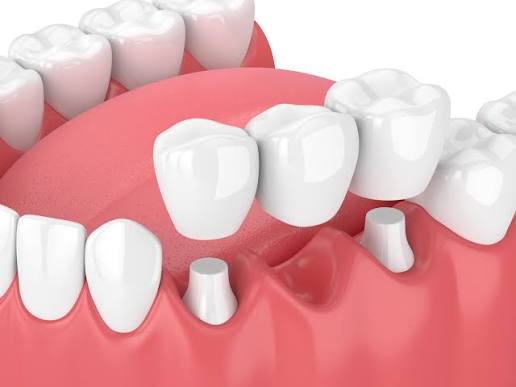
A dental bridge is a fixed dental restoration designed to replace one or more missing teeth. It typically consists of an artificial tooth, known as a pontic, supported by dental crowns or other attachments.
Traditional bridges are usually secured to healthy teeth on either side of the gap. In some cases, a bridge can be supported by dental implants instead.
Unlike removable dentures, a fixed dental bridge remains in place and is designed to function as part of your smile.
Who Is a Good Candidate for Dental Bridges?
Dental bridges may be appropriate for adults who have one or more missing teeth and have adequate oral health to support the restoration.
You may be a potential candidate if you:
- Have one or more missing teeth
- Have healthy teeth that can support a traditional bridge
- Have adequate bone and gum health
- Want a fixed alternative to removable dentures
- Want to restore chewing function
- Want to improve the appearance of a gap in your smile
Your dentist will examine your teeth, gums, bite, and overall oral health before recommending a bridge.
If the teeth surrounding the missing tooth are not healthy enough to support a traditional bridge, a dental implant or another tooth replacement option may be recommended instead.
What Are the Benefits of Dental Bridges in flint ?
A dental bridge can do more than fill the gap left by a missing tooth. It can help restore your smile, improve chewing, and provide a stable tooth replacement option.
Restore Your Smile
A missing tooth can leave a noticeable gap in your smile. A customised dental bridge can fill that space and create a more complete, balanced appearance.
Improve Chewing and Speaking
Missing teeth can make it harder to bite, chew, or pronounce certain words comfortably. Replacing the missing tooth with a bridge can help restore everyday oral function.
Maintain Your Bite
A missing tooth can allow neighbouring teeth to gradually shift into the open space. Replacing the tooth may help maintain proper tooth alignment and support a more balanced bite.
Fixed Tooth Replacement
Unlike removable partial dentures, a traditional dental bridge is secured in place. This allows you to eat, speak, and smile without having to remove the restoration.
Natural-Looking Results
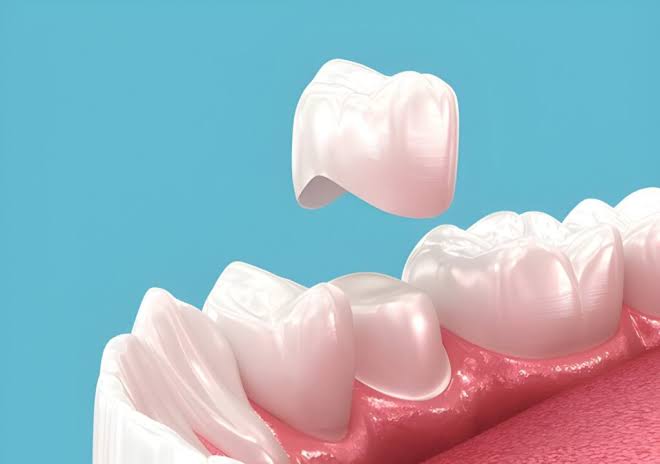
Modern dental bridges can be customised to complement the size, shape, and colour of your natural teeth. This can provide a discreet restoration that blends naturally with your smile.
Types of Dental Bridges in flint
There are several types of dental bridges, and the best option depends on the location of the missing tooth and the condition of your surrounding teeth.
Traditional Dental Bridges
Traditional bridges use crowns placed over supporting teeth on either side of the missing tooth. The artificial tooth or teeth are attached between these supporting crowns.
This is a common option when the neighbouring teeth are healthy and strong enough to support the restoration.
Implant-Supported Bridges
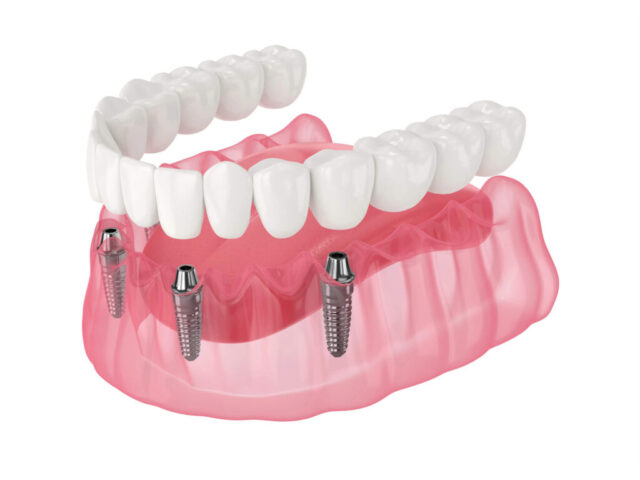
An implant-supported bridge uses dental implants instead of natural teeth to support the replacement teeth.
This can be particularly useful when several adjacent teeth are missing. Genesee Family Dentistry also offers dental implants, which can be used to support a dental bridge in appropriate cases.
Other Types of Bridges
Depending on your individual situation, your dentist may also discuss other bridge designs, such as cantilever or Maryland bridges. Not every type is appropriate for every location in the mouth, so your dentist will recommend an option based on your bite, tooth position, and oral health.
Dental Bridges vs. Dental Implants
Both dental bridges and dental implants can replace missing teeth, but they work differently.
A traditional bridge relies on neighbouring teeth for support, while a dental implant is placed into the jawbone and can independently support a crown or bridge.
Dental bridges may be suitable when:
- You want a fixed tooth replacement
- Adjacent teeth can provide support
- You prefer a treatment that does not require implant placement
Dental implants may be considered when:
- You want an independent replacement for a missing tooth
- You have adequate bone and gum health
- You want to avoid preparing neighbouring healthy teeth
- You need to replace multiple teeth with an implant-supported restoration
There is no single solution that is best for everyone. Your dentist can compare the options after examining your mouth.
What Is the Dental Bridge Procedure Like?
Getting a dental bridge typically involves several steps, beginning with a comprehensive dental examination. Your dentist will evaluate the missing-tooth area, surrounding teeth, gums, and bite. X-rays or digital imaging may be used to assess the supporting teeth and underlying bone. If you are receiving a traditional dental bridge, the teeth next to the missing tooth may need to be carefully reshaped to create space for the crowns that will support the bridge.
our dentist in flint at genesee family dentistry will then take detailed impressions or digital scans of your teeth, which are used to create a customised bridge that fits comfortably and blends naturally with your smile. While the permanent bridge is being made, you may receive a temporary restoration to protect the prepared teeth and maintain your appearance and oral function. Once the permanent bridge is ready, your dentist will check its fit, shape, colour, and bite before securely placing it. A follow-up appointment may be recommended to ensure the bridge feels comfortable and functions properly. Your dental team will also explain how to brush, floss, and clean around and underneath the bridge to help maintain your restoration and surrounding teeth.
How Long Do Dental Bridges Last?
The lifespan of a dental bridge can vary depending on factors such as oral hygiene, bite forces, the supporting teeth, diet, and regular dental care.
Maintaining good oral hygiene and attending routine dental examinations can help protect the bridge and the teeth supporting it.
It is particularly important to clean around the bridge carefully because plaque and food can collect around the supporting teeth and beneath the artificial tooth.
How Do You Care for a Dental Bridge?
A dental bridge requires regular care just like your natural teeth.
To help maintain your bridge:
- Brush twice a day with fluoride toothpaste.
- Clean between your teeth every day.
- Use floss or an appropriate bridge-cleaning aid around the restoration.
- Attend regular dental examinations and cleanings.
- Avoid biting extremely hard objects.
- Contact your dentist if the bridge feels loose or uncomfortable.
Your dental team can show you the best way to clean underneath and around your specific bridge.
How Much Do Dental Bridges Cost in Flint, MI?
The cost of dental bridges in Flint, MI can vary considerably from patient to patient. There is no single price that applies to every bridge.
Factors that can affect the cost include:
- Number of missing teeth
- Type of bridge
- Materials used
- Condition of supporting teeth
- Need for crowns or other dental treatment
- Whether dental implants are used
- Dental insurance coverage
- Additional procedures required before treatment
The best way to receive an accurate estimate is to schedule a dental examination. Your dentist can evaluate the missing tooth and surrounding teeth and explain the available replacement options.
Does Dental Insurance Cover Dental Bridges?
Some dental insurance plans provide coverage for bridges, but benefits vary by provider and policy.
Your coverage may depend on:
- Your annual deductible
- Your remaining annual benefits
- Coinsurance
- Waiting periods
- Whether the procedure is covered under your plan
- The type of bridge being provided
Before treatment, ask your dental office to verify your benefits and explain your expected out-of-pocket costs.
Can a Dental Bridge Replace Multiple Missing Teeth?
Yes. Depending on the location and number of missing teeth, a bridge can sometimes replace multiple adjacent teeth.
However, the design of the restoration depends on the health and position of the supporting teeth. If several teeth are missing, your dentist may also discuss implant-supported bridges or dentures.
Genesee Family Dentistry provides several tooth replacement options, including fixed bridges, dental implants, and traditional or partial dentures.
What If the Teeth Supporting a Bridge Are Damaged?
The supporting teeth need to be strong enough to hold the bridge.
If these teeth have significant decay, fractures, or gum disease, your dentist may recommend treating those problems before placing a bridge.
In some cases, an implant-supported bridge may be a better option because implants can provide support without relying on neighbouring natural teeth.
Why Choose Genesee Family Dentistry for Dental Bridges in Flint?
Choosing a dental office that provides comprehensive restorative care can make it easier to evaluate different tooth replacement options.
Genesee Family Dentistry- Implants, Invisalign and Cosmetic Dentist in Flint provides general and restorative dentistry in Flint, including fixed bridges, dental crowns, dental implants, and implant-supported dentures.
The practice is located at G3535 Beecher Rd, Suite J, Flint, MI 48532, and provides personalised dental treatment using modern dental technology.
Schedule a Dental Bridge Consultation in Flint, MI
If you are missing a tooth and looking for a dental bridge in Flint, a consultation can help you understand your tooth replacement options.
Your dentist can examine the gap, evaluate your surrounding teeth and gums, and determine whether a traditional bridge, implant-supported bridge, dental implant, or another restoration is most appropriate.
Genesee Family Dentistry provides comprehensive restorative dental care for patients in Flint and surrounding communities. Contact the office at (810) 230-7483 or visit G3535 Beecher Rd, Suite J, Flint, MI 48532 to discuss your options.
Frequently Asked Questions About Dental Bridges in Flint
How much does a dental bridge cost in Flint?
The cost varies based on the type of bridge, number of missing teeth, materials, supporting teeth, insurance coverage, and any additional treatment required. A dental examination is necessary to provide an accurate estimate.
Are dental bridges permanent?
Dental bridges are fixed restorations, meaning they are not designed to be removed by the patient. However, like any dental restoration, they may eventually need repair or replacement.
Is getting a dental bridge painful?
The procedure is generally performed using local anaesthesia when necessary. Some patients may experience temporary sensitivity or soreness after treatment, particularly when supporting teeth have been prepared.
Can a bridge replace one missing tooth?
Yes. A dental bridge can replace a single missing tooth when the surrounding teeth or dental implants can provide adequate support.
Are dental implants better than bridges?
Neither option is automatically better for every patient. The right choice depends on your oral health, bone structure, neighbouring teeth, budget, and long-term goals.
How should I clean under a dental bridge?
You need to clean around and underneath the artificial tooth as part of your daily oral hygiene routine. Your dentist or hygienist can recommend floss threaders, interdental brushes, or other tools appropriate for your bridge.
Can I get a dental bridge if I have gum disease?
Active gum disease may need to be treated before a bridge is placed. Healthy gums and supporting structures are important for the long-term success of a dental restoration.
What are my options if I have several missing teeth?
Depending on your circumstances, options may include multiple dental bridges in flint , implant-supported bridges, dental implants, partial dentures, or other restorative treatments. Your dentist can help you compare the available solutions.